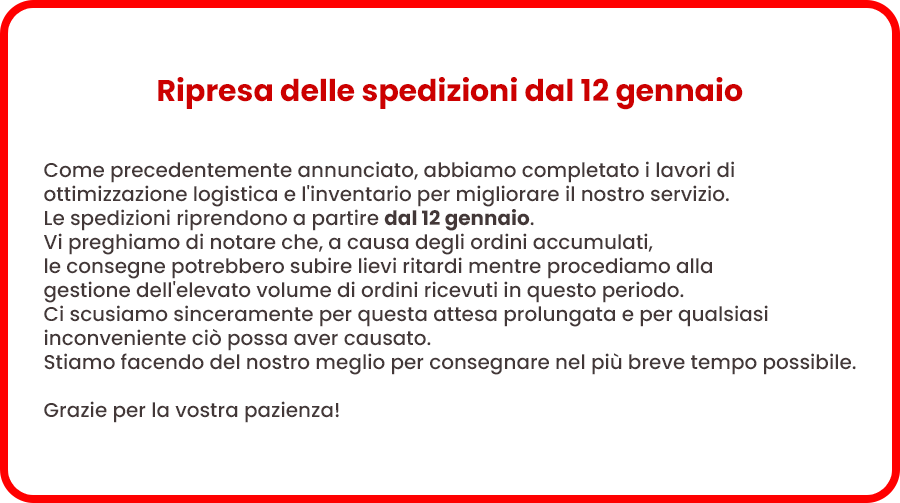



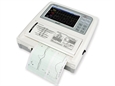
GIMA FC1400 SINGLE FOETAL MONITOR
(Sold up to the end of stock)
|
|
| 29516 | |
| 1 pc | |
| 1 | |
| Medical device | |
| II B |
| 2870700 | |
| Z12080103 | |
| 8023279295160 | |


Operator Manual


CE Certificate + extension letter

Declaration of conformity
FC1400 SINGLE FOETAL MONITOR
Antepartum foetal monitor to measure Foetal Heart Rate (FHR), degree of material uterine contraction (UA: Uterine Activity), foetal movements (FM)
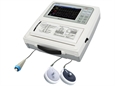
Superior data display
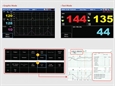
- 7" full touch screen colour TFT LCD (800x480)
- 2 display modes: graphic and text modes
- 72 hours of memory capacity
Extreme data accuracy and access
- high-accuracy and wide detection area
- easy on-screen scrolling function
- endurable watertight probes, 1 MHz to minimize broken FHR waveforms even if the fetus moves
Printout
- CTG interpretation report
- both standard and A4 size paper usable
- normal fax paper usable
Other advantages
- Wi-Fi central monitoring up to 16 beds (Option)
- PC compatible
- internal battery lasting 2-hours (Option)
- power adapter 100-240 V, 50-60 Hz
- multilingual internal software: GB, FR, IT, ES, PT, DE, PL, RO, RU, CZ, HU, BG, TR, KR, CN.
Recommended after week 30.
Dimensions 296x97.5xh 305.5 mm - Approx. 2.9kg
Display 7" TFT Wide LCD screen (800x480)
Thermal array printer: print speed: 1, 2, 3 cm/min (real time) / paper feeding function
Power input: 100-240 V, 1.5-0.7 A, 50-60 Hz / output: +18 V = 2.8 A
Li-ion battery (option) 4 hours (charging) - 2 hours (discharging)
External link LAN, Wi-Fi, USB memory
Foetal heart rate
input signal: ultrasound pulsed doppler
ultrasound frequency: 1.0 Mhz, 975 Khz
ultrasound power: <10 mW/cm2
FHR detection method: autocorrelation
FHR range: 50-210 bpm ±1 bpm (120-160)
Foetal movement measurement detection source: ultrasound pulsed doppler, event marker
Uterine contraction
input source: external transducer
reference control: one touch switch, auto zeroing
measurement range: 0-99
Auto CTG analysis
average baseline FHR
number of TOCO
number of acceleration
number of deceleration
late deceleration
early deceleration
variable deceleration
high episode
low episode
short term variability
signal loss